Window Tinting
We install dyed and ceramic window film, so you can choose based on budget or performance. Ceramic film blocks the most heat and up to 99% of UV rays without the signal interference that metallic film can cause on GPS and phone signals.
Here's what most tint shops never explain: sunlight hitting your car is roughly 5% UV, 43% visible light, and 52% infrared, and heat is almost entirely an infrared problem. VLT, the percentage every tint law regulates, only measures visible light. That's why a lighter ceramic film can actually reject more heat than a much darker dyed film: ceramic is engineered to target the infrared band specifically, while dyed film just absorbs solar energy broadly and re-radiates a lot of it as heat anyway. Darker doesn't automatically mean cooler.
One more thing worth knowing before you buy: film VLT and your glass's factory VLT multiply together, they don't just subtract. Factory glass usually already sits around 70 to 80% VLT on its own, so a "35%" film installed over it can measure closer to 24 to 28% once it's actually on the car, which is exactly what an inspector's meter reads. If a shop ever quotes you a percentage that seems off from what you expected, this is almost always why.
Every install is cut and fitted to your vehicle's exact windows, then installed by hand. We follow New York's legal tint limits on every job, so you are covered at inspection. Every install happens at our Islip Terrace shop, where we control dust and temperature for a clean result.
New York's tint law is more specific than most people realize, and getting it wrong is an automatic inspection fail. Sedans, coupes, and hatchbacks need at least 70% VLT (visible light transmission) on every window, front, rear, and back. SUVs, vans, and pickup trucks get more flexibility: front side windows still need 70% VLT, but the rear side windows and back window can be darker. Reflective or mirrored film is not legal anywhere on the vehicle, and certain colors, including red, yellow, and amber, are restricted because they can be mistaken for emergency lighting. The windshield itself is limited to a non-reflective strip along the top 6 inches. New York checks tint darkness with a calibrated meter as part of the mandatory annual vehicle safety inspection, not just during a traffic stop, so illegal tint fails your inspection outright, it isn't just a risk you might get away with. If you're unsure whether a tint job, yours or one done elsewhere, actually meets these limits, we can check it against New York's exact legal darkness requirements before inspection day.
If you have a medical condition that requires darker tint than the legal limit, such as photophobia or lupus, New York does allow a medical exemption through DMV Form MV-80W with a physician's statement. We're happy to talk through that process if it applies to you.
A fresh install looks hazy or slightly milky for the first few days, sometimes with small pinhead bubbles. That's normal: it's trapped moisture between the film and the glass working its way out as the adhesive fully cures, not a defect. Give it 3 to 5 days before rolling windows down, avoid ammonia-based glass cleaners on tinted windows permanently, since ammonia breaks down the film and adhesive over time, and skip the rear defroster for about a week. Large bubbles that persist past 2 weeks, peeling at the edges, or a purple or brown color shift down the road are the real warning signs, and that last one specifically means the film was cheap dyed film breaking down under UV, not ceramic film.
Most customers start with ceramic window tint, our top-performing film for heat rejection and UV protection with zero signal interference. If you only want relief from glare without tinting every window, a windshield tint strip alone covers the legal top six inches. And if you're not sure your current tint, installed here or somewhere else, will actually pass, our legal window tint compliance check tells you exactly where you stand before inspection day.
Dyed and ceramic film options to fit your budget
Every install follows New York's legal tint limits, front, rear, and windshield
Professional installation, typically 2 to 3 hours depending on your vehicle
Every install done at our climate-controlled Islip Terrace shop
Never reflective or mirrored film, and never a restricted color
Cuts glare on LIE and Sunrise Highway commutes without failing inspection
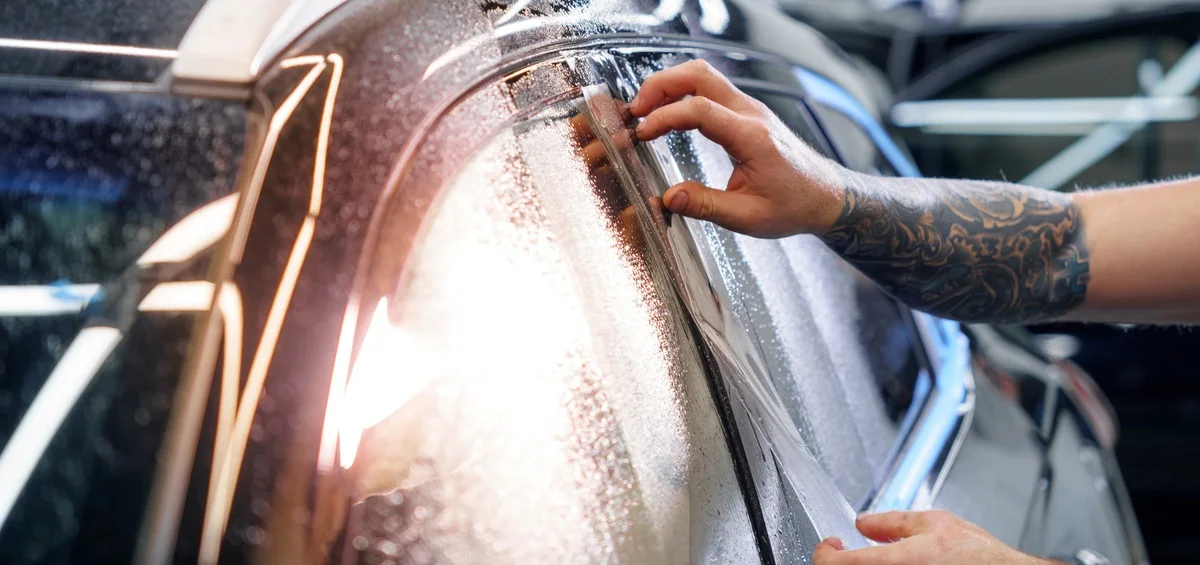
Ceramic film rejects the most heat and UV rays without interfering with radio, GPS, or phone signal.
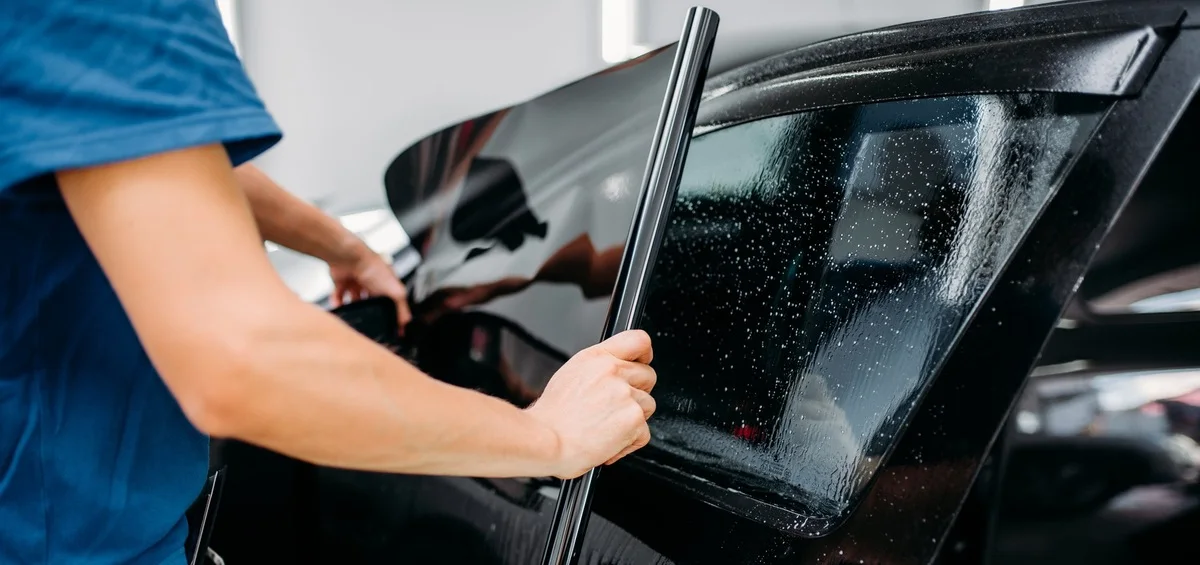
Every install follows New York State's legal tint darkness limits, so you are covered at inspection.
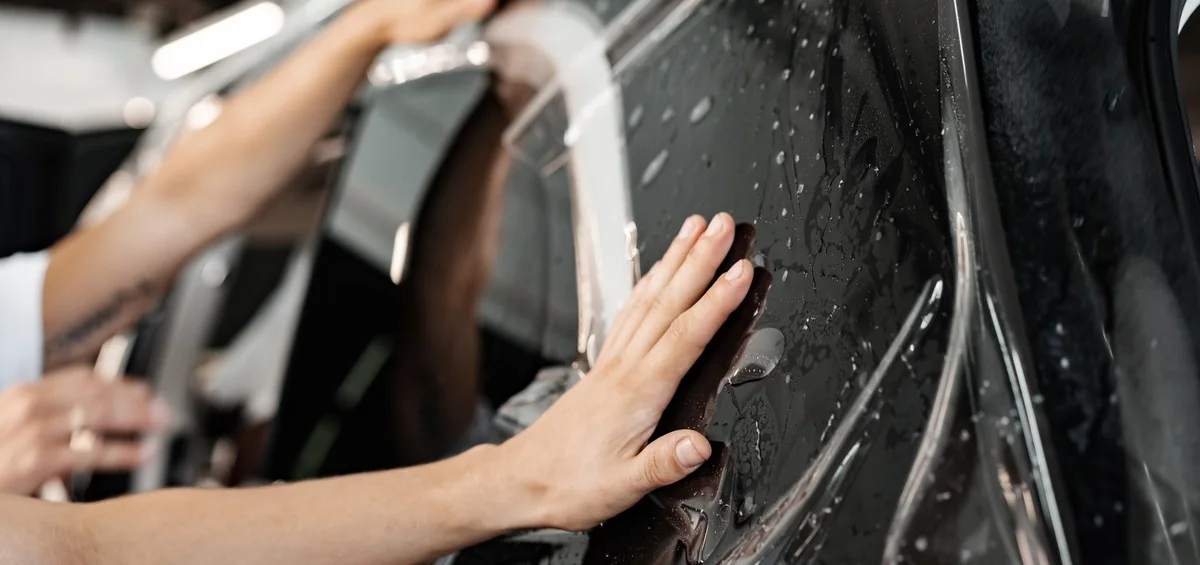
Sedans need 70% VLT on every window. SUVs, vans, and trucks get more flexibility on the rear. We match the install to your exact vehicle type.
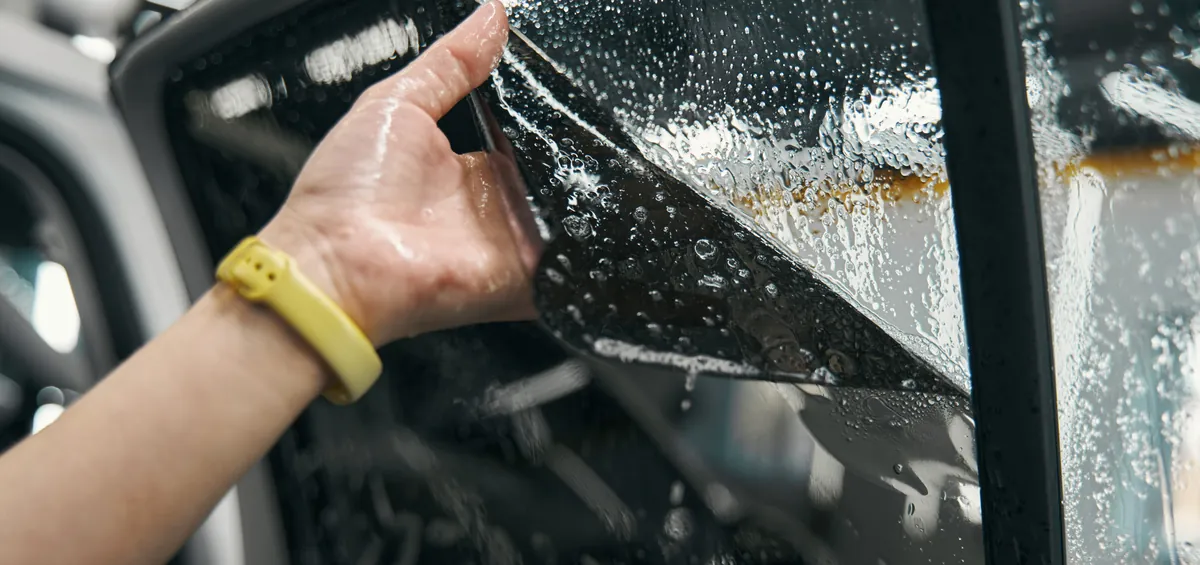
NY has checked tint darkness at annual inspection with a meter since 2017. Every install we do is built to pass, not just to look good.
Frequently Asked Questions
How long does window tinting take?
Most vehicles take 2 to 3 hours depending on the number of windows. Larger SUVs and trucks can take longer.
What's the difference between dyed and ceramic film?
Dyed film is the most affordable and adds privacy and UV protection. Ceramic film rejects the most heat and UV without any signal interference.
Is your tint legal in New York?
Yes. Every install follows New York State's legal tint darkness limits.
How soon can I wash my car after tinting?
Wait a few days before rolling down new windows or washing them, so the film has time to fully cure.
What's the legal window tint darkness in New York?
Sedans, coupes, and hatchbacks need at least 70% VLT on every window. SUVs, vans, and pickup trucks only need 70% on the front side windows. Reflective or mirrored film is never legal, and the windshield is limited to a non-reflective strip on the top 6 inches.
Will illegal tint fail my NY State inspection?
Yes. New York has checked tint darkness at annual inspection with a calibrated meter since January 2017.
Can I get a medical exemption for darker tint in New York?
Yes, for qualifying conditions like photophobia or lupus, through DMV Form MV-80W with a physician's statement.
Is it normal to see bubbles or haze right after installation?
Yes, small bubbles or a slight haze during the first 1 to 2 weeks of curing is normal and should clear on its own as the film fully bonds. If bubbling or peeling persists past 2 weeks, let us know.
Ceramic tint vs standard dyed tint, what's actually different?
Dyed film is the most affordable and adds privacy and UV protection but fades faster. Ceramic film rejects significantly more heat and UV, holds its color for years, and has zero signal interference risk since it contains no metal. We'll help you pick based on budget and how long you're keeping the car.
Service Areas
Now Serving These Towns
Window tinting is done at our Islip Terrace shop, by appointment, for customers across every town below.
Testimonials
Hear from Our Customers
 Google

